A clean car photographs better, test drives better, and appraises better. That is the simple truth behind pre-sale detailing. I have watched a tired commuter sedan add 10 percent to its sale price in an afternoon, and I have seen a low-mile luxury SUV sit for weeks because the owner skipped the basics. Smart prep is not about vanity, it is about eliminating doubts and signaling that the car has been cared for. Buyers start making decisions from the curb, and you can control a surprising amount of what they see, smell, and feel by focusing on the right surfaces and sequences.
What buyers actually notice first
People talk about maintenance records and accident history, but the first pass is visual and visceral. Standing 10 feet away, the eye reads the paint’s gloss and uniformity, the alignment of the body panels, the clarity of the glass, and the condition of the wheels and tires. As they step closer, the nose checks for stale smoke or mildew. Fingers touch the steering wheel and door cards to test whether they are gummy or clean. These little assessments happen in seconds, and they shape everything that follows, from the tone of negotiation to the length of the test drive.

The trick is to build your prep around this psychology. You want big wins visible from a distance, then reassuring details at arm’s length, and zero red flags when someone opens a door.
A sensible pre-sale game plan
Think in terms of systems, not isolated chores. Paint, glass, wheels, interior textiles and leather, engine bay, and small serviceables each have their own workflow and pitfalls. You will waste time and sometimes damage surfaces if you do them in the wrong order. Always start with the dirtiest, most disruptive parts and move toward the delicate finishes you do not want to recontaminate.
A typical do-it-yourself timeline for a lightly used car runs four to six hours, more if you have pet hair or neglected paint. Where owners go wrong is expecting miracles from a quick wash or, on the other extreme, over-investing in permanent protections when they plan to sell within days. Calibrate your effort to your timeline and target buyer.
Wash like a pro, not like a gas station
Touchless tunnels are quick, but they miss brake dust in barrel crevices and they do not neutralize road film that mutes gloss. A proper wash starts with a pre-rinse and a foam pre-soak to loosen grime. Use a quality pH-neutral shampoo and a two-bucket method with grit guards. Start at the top, work down, and leave wheels and tires for last or use a dedicated wheel bucket to avoid cross-contamination. If you are photographing the car the same day, dry with a clean, high-GSM microfiber and filtered water if you have it, to avoid spotting.
Tar and iron deposits can knot a clearcoat to the touch even after a careful wash. Run your fingertips over the paint inside a thin plastic bag. If it feels like sandpaper, use an iron remover followed by a mild clay bar or synthetic clay mitt with plenty of lube. This step restores a slick feel and sets the stage for any gloss enhancement you plan to do.
Paint correction, but with discipline
Full paint correction is a time sink, and you rarely need multiple stages before a sale. What you do need is to address the visible swirls and scuffs that flatten reflections and catch a buyer’s eye at 10 feet. A single-stage correction, using a light to medium polish on a dual-action polisher, can raise gloss 10 to 20 percent on most daily drivers in two to three hours once the car is prepped. Focus on the hood, roof edges, trunk lid, and driver’s side where sun and tunnel brushes hit hardest. Save your heaviest effort for dark colors, which telegraph defects more than white or silver.
Be conservative on thin edges and repainted panels. If you do not have a paint depth gauge, read the panel. Orange peel that looks slightly off, tape lines in jambs, or unusual gloss can indicate previous work. On those panels, rely on a finishing polish and light pressure. When in doubt, less is better. You are optimizing sale presentation, not chasing concours perfection.
Ceramic coating versus a quality sealant
Ceramic coating is a hot topic. For a seller, the question is not whether ceramic is good, but whether it makes sense on your timeline. A true ceramic coating requires meticulous prep and careful cure time. If you are listing the car within days, a high-quality spray sealant or polymer-based topper will give you sharp gloss, satisfying slickness, and respectable water behavior with virtually no risk or downtime. Expect six to twelve weeks of real-world protection, which covers you through showings and test drives.
If your sale horizon is longer, or you want a talking point for buyers, a one-year ceramic coating can be a smart middle path. It adds depth to dark colors, resists wash marring better than wax, and gives you honest marketing language without promising a five-year miracle. When we apply a light ceramic package, we find buyers respond less to the buzzword and more to the feel. Hydrophobic behavior during a hose demo tells its own story.
Paint protection film as a value signal
Paint protection film, often called PPF or paint protection film by name, does something different from coating. It is a physical barrier. On a new or near-new car that you plan to sell in a year or two, PPF on the front bumper, partial hood, and mirror caps protects resale value by minimizing rock chips and bug etching. If you are selling now and do not already have film installed, it rarely pencils out to add it just for the sale. The exception is on high-value sports cars where a fresh front-end PPF can differentiate your listing and reassure a picky buyer about condition beneath the film. For a mainstream daily, invest in correction and a sealant instead.
A word on expectations: do not claim PPF where none exists. Buyers who know paint protection film will spot the edge lines on a sunny day. Honesty earns trust, and trust shortens negotiations.
Wheels, tires, and the undercarriage
Dirty wheels make a clean car feel neglected. Brake dust embeds into clear-coated alloys and bakes on. Use an iron-reactive wheel cleaner, soft wheel brushes, and a dedicated mitt for faces and barrels. For heavily soiled barrels, a mild alkaline cleaner paired with agitation works better than soaking. Avoid strong acids unless you know the finish, and never on bare aluminum.
Tires sell the car more than most owners realize. A matte or satin tire dressing looks modern and restrained. High-gloss, sticky gels sling up the flanks and read like a used car lot. Dress wheel wells lightly with a trim restorer or diluted dressing. The dark backdrop frames the tire and visually lifts the stance.
Peek under the car and wipe down visible plastic pans or splash guards. You do not need to chase perfection, but removing cobwebs and caked dirt near the front bumper pays dividends during pre-purchase inspections when a tech puts the car on a lift.
Glass, mirrors, and window tinting choices
Streak-free glass is non-negotiable. Clean inside and out, and remember the top inch at the tint line where grime accumulates. Use fresh glass towels and a quality cleaner, then finish with a dry towel to eliminate haze. Side mirrors and backup camera lenses deserve their own pass. A smudged camera creates an instant annoyance on a test drive.
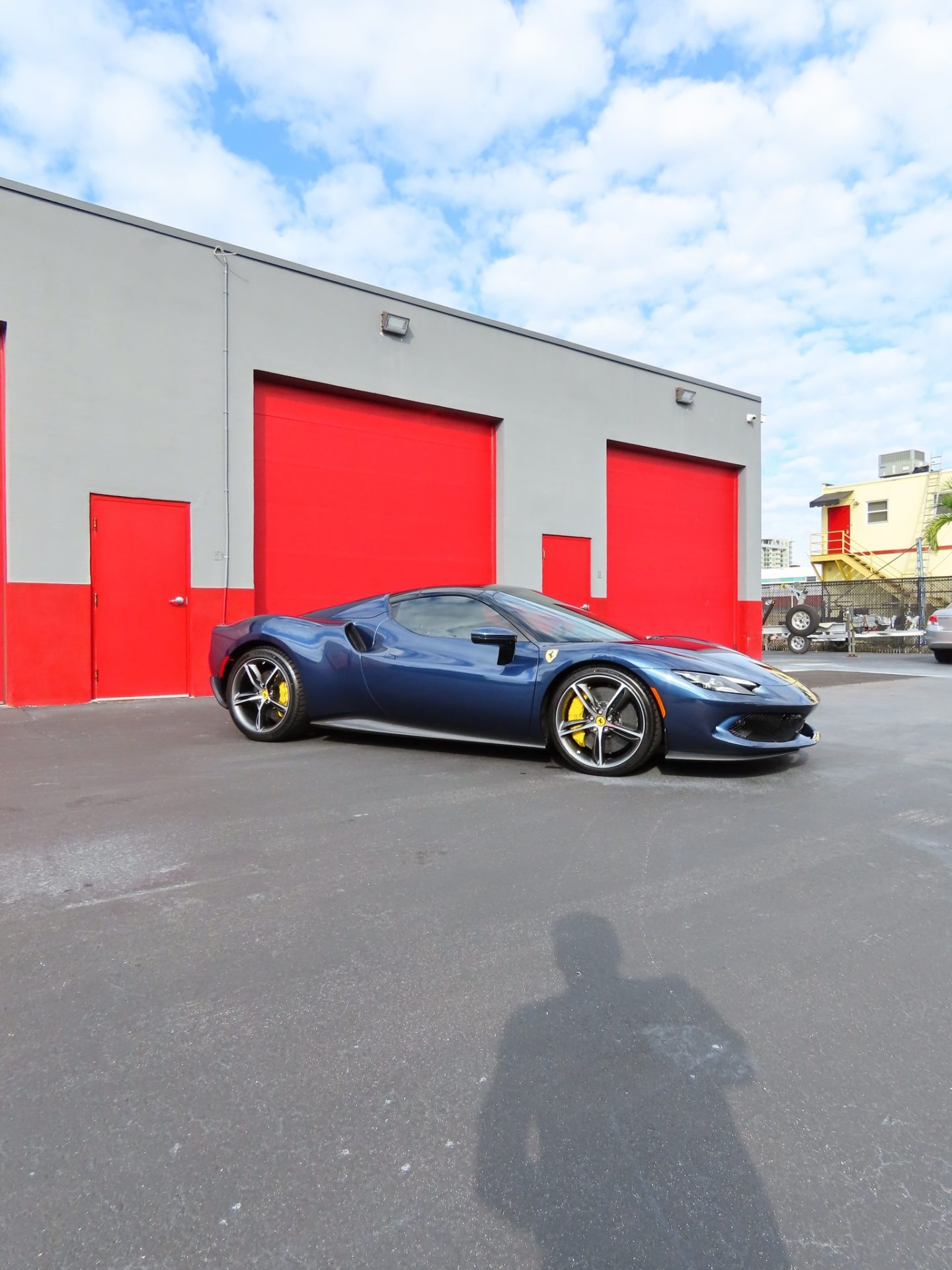
Window tinting can help or hurt a sale depending on execution and local rules. Legal, high-quality film in a tasteful percentage reads premium and protects the interior from UV, which you can point out with uncracked dash and unfaded seats. Bubbling, purple, or peeling film screams deferred maintenance. If your tint is failing, consider removal or re-tinting limited to the front two windows for a quick cosmetic lift. ppf Dark limo tint across the rear can limit visibility during a test drive, and some buyers quietly walk away. If you do re-tint, keep documentation. A reputable shop’s warranty card is a small but reassuring detail.
Interior detailing that wins test drives
Buyers forgive a stone chip. They do not forgive a stale cabin. Start with a thorough vacuum, moving seats through their travel to reach rails and crevices. Compressed air and soft brushes lift debris from seams and vents. Pet hair demands patience and a rubber brush or pumice stone designed for textiles. Sticky cup holders need hot water and mild APC, not brute force.
For cloth seats, an extractor or a foaming upholstery cleaner with disciplined blotting lifts stains without leaving tide marks. For leather, skip the glossy dressings. A gentle cleaner followed by a matte conditioner recreates the factory feel. Over-sheened leather looks greasy and feels wrong underhand. Steering wheels, shifters, and door pulls deserve particular care, since they telegraph daily hygiene.
Odor is the deal maker or breaker. Masking sprays fool no one. Identify the source, whether it is a damp spare well, a cabin filter soaked with leaf litter, or tobacco in the headliner. Replacing the cabin air filter takes minutes and pays back all day. Ozone machines can neutralize odor, but they can also dry out soft-touch coatings and leave a telltale sharpness if overused. Use them sparingly and always ventilate. A better path is a thorough clean, a filter swap, and time with the doors open in dry air.
Engine bay etiquette
A clean engine bay suggests routine care. It does not need to look like a show car. Disconnect the battery if you plan to do any wet work. Cover sensitive electronics and open filters. Use a gentle degreaser, low-pressure rinse, and soft brushes. Dry with compressed air, then dress plastics lightly for a natural finish. Avoid glossy silicone that telegraphs desperation. A buyer or inspector will lift the hood. You want tidy and honest, not slick and suspicious.
Photos and lighting
Detailing for sale is not complete without good photos. Gloss is a lighting game. Schedule your shoot for golden hour or an overcast day. Harsh noon sun flattens paint and exaggerates defects. Stand back, shoot at chest height, and angle the wheels slightly outward. Capture even panel gaps, clear reflections, and a spotless interior with floor mats removed for the shot. Clean the infotainment screen last and lock it to a neutral display. Fingerprints and smudges read careless.
Where ceramic coating and PPF become marketing, not jargon
Technical terms mean little to many private buyers. They react to outcomes. If you have ceramic coating, show water behavior with a quick hose video. If your car has PPF on the front clip, note the absence of rock rash and invite a close look at leading edges where chips normally bloom. Keep it grounded in observation, not hype. On dealership trade-ins, managers glance fast, but they do register clean leading surfaces and even gloss. Anything that moves your car from “average” to “above average” on their sheet nudges the number.
The Advanced Detailing Sofla approach to pre-sale prep
At Advanced Detailing Sofla, our pre-sale workflow has been shaped by the kinds of cars that move fastest after we touch them. On commuter sedans with 60 to 120 thousand miles, we invest in decontamination, a focused single-stage paint correction on the high-visibility panels, and a durable spray sealant. Inside, we put extra time into odor sources and contact points. We have watched fairly ordinary paint transform under cloudy skies after this sequence, which makes photo day easy and honest.
For late-model performance cars, we calibrate differently. If the paint reads healthy and the seller has a four to eight week horizon, a one-year ceramic coating after correction gives the car a crisp candy-shell look that pulls better in-person than in photos. When the car already wears PPF, we clean edges, remove any lifted corner adhesive, and condition the film with compatible products so it looks uniform against the coated panels. The goal is coherence. Buyers might not name the treatments, but they intuit that the car has been cared for at a high level.
Interior triage the way Advanced Detailing Sofla trains it
Interior work is where time disappears if you do not triage. Our team maps three zones: driver interface, guest impression, and deep detail. Driver interface covers steering, shifter, controls, touch screens, seat bolsters, and pedals. Guest impression means dash top, door cards, glass, and carpets in view lines. Deep detail is under-seat debris, rails, seat tracks, and trunk wells. Before any extractor touches fabric, we dry-vac thoroughly and use compressed air to float grit to the surface. This reduces wicking and cuts passes in half.
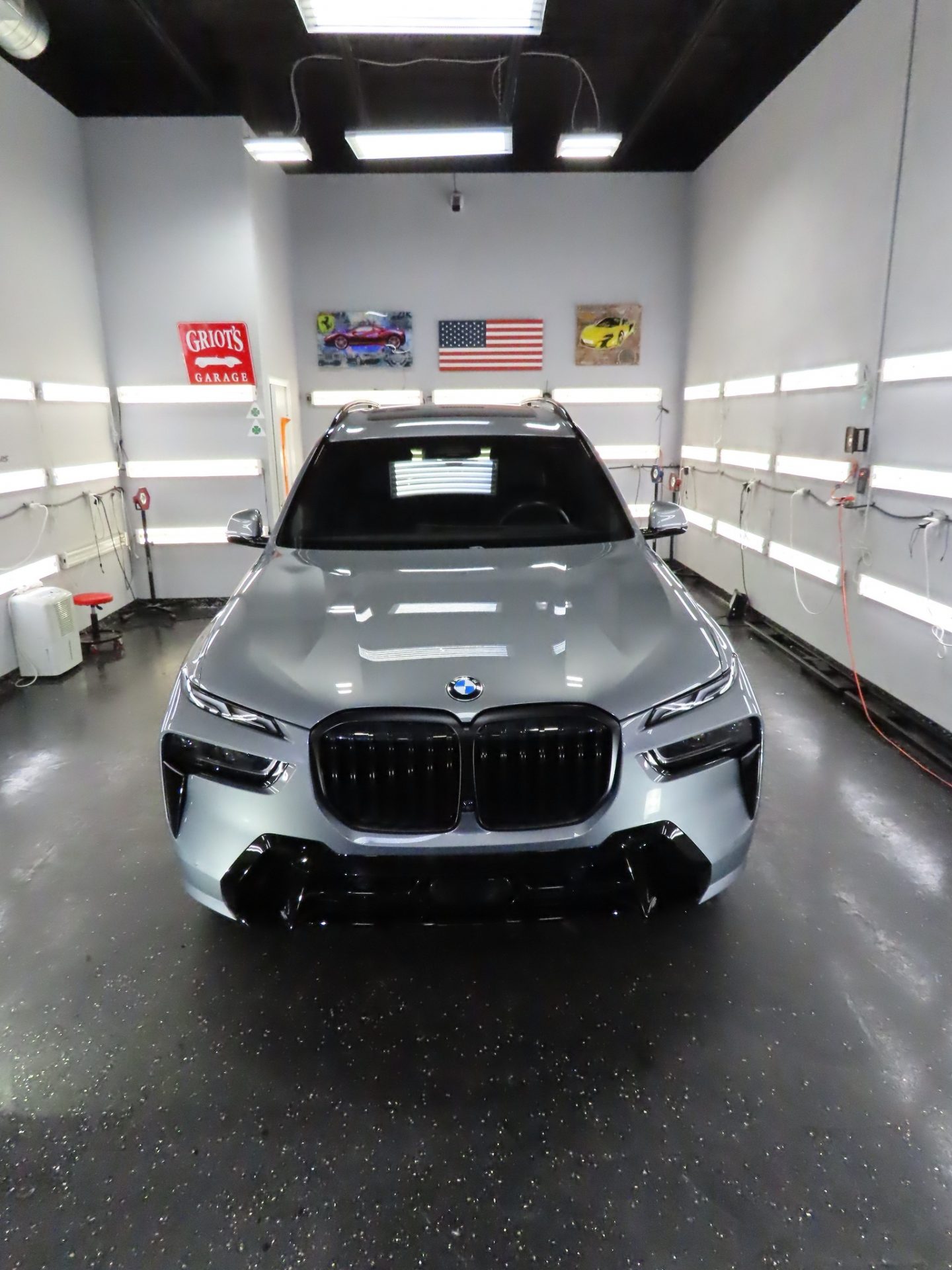
We keep glass towels purely for glass and swap them midway. Nothing murders a photo faster than a streaky windshield lit by afternoon sun. For stubborn smells, we avoid perfumes. Instead, we clean source areas, swap the cabin filter, then leave the car open in a secure bay with fans for an hour. Most cabins do not need an ozone bath when core cleaning is done right.
Window tinting and resale nuance
In our market, tasteful window tinting adds perceived value, but not all tint is equal. Ceramic or carbon films resist fade and block heat better than dyed films, and they do not go purple. If your tint is aging poorly, replacing just the front windows with a modern film refreshes the whole profile without breaking budget. For buyers sensitive to legality, we keep a light meter on hand. Showing a reading within local limits eases minds, including during dealer trades where a manager might else dock the number for “illegal tint to remove.”
If you choose to remove failing film yourself, take your time. Steam softens adhesive. Rushing with a blade often leaves scars in rear defroster lines that cannot be undone. That is an expensive lesson just before a sale.
Quick checklist for the last 24 hours before listing
- Top off washer fluid, check tire pressures cold, and set them to door-jamb spec for a smooth test drive. Replace the cabin air filter and clean the cowl area of leaves, then lightly deodorize with the doors open. Wipe door jambs, fuel filler area, and the underside of the trunk lid, spots buyers touch without thinking. Clean key fobs, gather service records, and place a clean, empty tote in the trunk to suggest order. Do a slow lap around the car with a clean towel to catch fingerprints and missed smudges.
What not to fix
Not every flaw requires attention before a sale. Deep door dings, bumper scrapes that need paint, or wheels with curb rash present a budgeting puzzle. If the car is five years old with average mileage, it might be smarter to price fairly and present clean than to chase bodywork you cannot recover. Conversely, a headlight polish on yellowed lenses almost always pencils out. It can be done carefully in under an hour and changes the face of the car.
Do not oversell what you have done. “Freshly detailed with single-stage paint correction and a protective sealant” is accurate and carries weight. Claiming “showroom condition” invites scrutiny you may not want.
Seasonal realities
Detailing strategy shifts with the season. In winter climates, salt crystallizes in carpet fibers and mat edges, and paint accumulates bonded contaminants quickly. A de-salt rinse of the underbody and fender liners matters. In hot, sunny regions, dashboards and leather need UV attention, and darker paints benefit from a light polish to remove oxidation bands on horizontal surfaces. If you are selling during pollen season, plan to wipe down exterior surfaces just before photos, then again before showings. Pollen mutes gloss and clings to jamb grease.
How auto detailing language reads on listings
Private listings live and die by clarity. When you mention auto detailing, skip fluff. Write what was done, when, and by whom. “Decontaminated, clayed, light machine polish, and sealed last week by Advanced Detailing Sofla” reads specific and credible. Include three photos that prove it: a tight reflection shot on the hood, a clean wheel barrel, and an interior wide shot with lint-free carpets. Buyers do not need a dissertation on paint correction, but they do respond to proof that attention was paid.
When professional help makes sense
There is a threshold where calling in a pro is simply efficient. If your timeline is tight, your paint is neglected, or you have interior odor and extraction needs, a shop that lives in this world will do in a day what a weekend warrior might spread out across three. A trained eye also knows when to stop. I have watched owners damage soft black piano trim chasing a hairline scratch that a buyer would never have noticed. Time saved is money won on sale day.
Advanced Detailing Sofla approaches pre-sale work as a targeted intervention, not an open-ended makeover. We estimate gloss gains conservatively, and we sequence work to create visible wins early so you can shoot photos on time. If the car is already excellent, we are the first to say you do not need more than a decon wash and a light topper. If the car needs heavier paint correction, we flag panels where effort will show and where it will not.
A few trade-offs and edge cases to consider
- Ceramic coating on brand-new paint can be a selling point on premium models, but on a ten-year-old daily it is overkill unless you plan to list over a long horizon. A crisp sealant reads just as bright in photos. PPF on front bumpers pays back if the car is chip-prone and the buyer pool is picky, like sports coupes. On econoboxes, skip it and correct the paint you have. Dark interiors hide minor staining better than light ones, but they show dust and lint. Keep a lint roller and a final-wipe towel handy for showings. Convertible tops need their own cleaners and protectants. A dirty fabric top diminishes curb appeal out of all proportion to the time required to refresh it. Head units and clusters scratch easily. Use only clean, soft towels and electronics-safe cleaners. Micro-marring under sunlight ruins otherwise good work.
What a great test drive feels like after proper detailing
When the exterior is corrected, sealed, and streak-free, the first impression is calm. Doors open to clean jambs. The buyer settles into a seat that feels new, not slick. The steering wheel is matte and grippy. Glass is invisible. The engine bay looks cared for. The drive itself feels smoother because clean wheels and properly set tire pressures eliminate vibration and wander. The cabin smells like nothing, which is perfect. At the end, the buyer steps out, does not wipe hands on pants, and looks back at the car as it beads a little after a light mist. That look back, more than any line item in your prep, tells you the detail did its work.
Final thoughts from the bay floor
Detailing for sale is part science, part staging. You are shaping perception with honest labor. Start with decontamination, choose paint correction with restraint, protect with something that fits your window, and keep the interior genuinely clean instead of perfumed. Mind the edges buyers touch and see. Document your work, show it respectfully, and let the car speak for itself. If you decide to bring in help, find a team that treats pre-sale prep as a craft. In our experience at Advanced Detailing Sofla, the cars that sell fastest are the ones that look cared for without shouting it, and that feel fresh the moment a door handle lifts.